


 English
 简体中文
简体中文Submit feedback

Chemical, Glass, Tire Rotary Dehumidification Unit Suppliers
Company Honors

Zhejiang manufacturing certificate

Certificate of Integration of Informatization and Industrialization
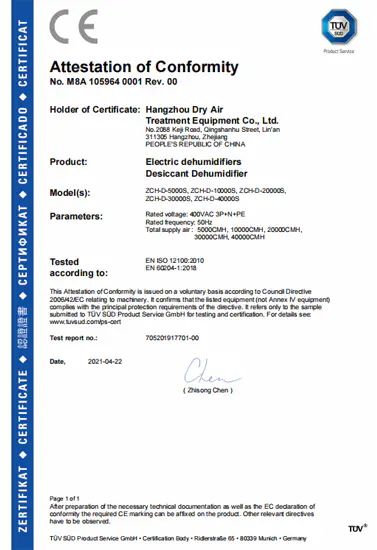
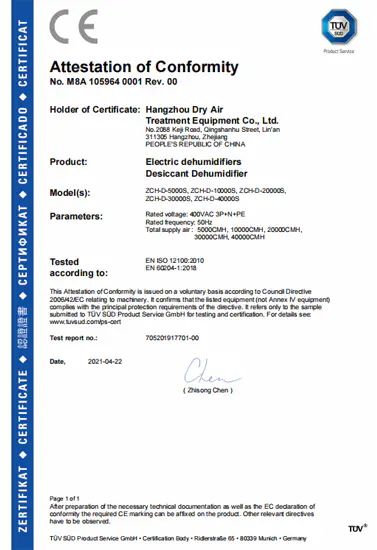
CE Certificate
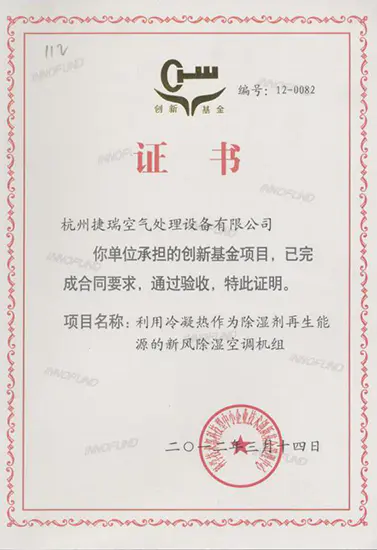
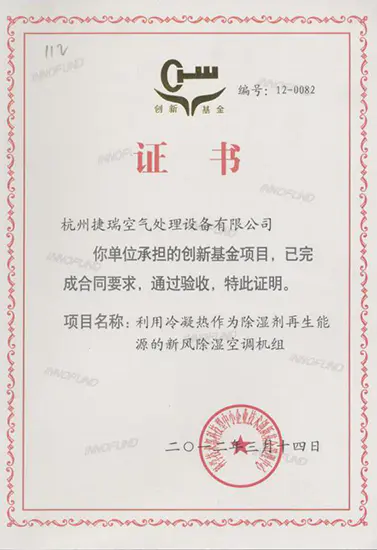
Innovation Fund

Refrigeration and air conditioning industry governing unit

Specialized and Specialized
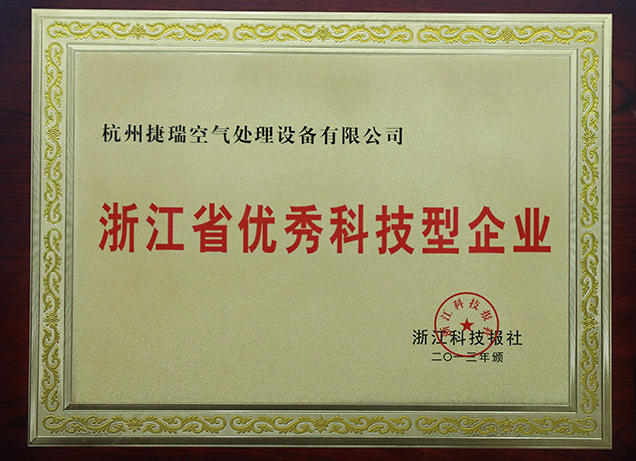
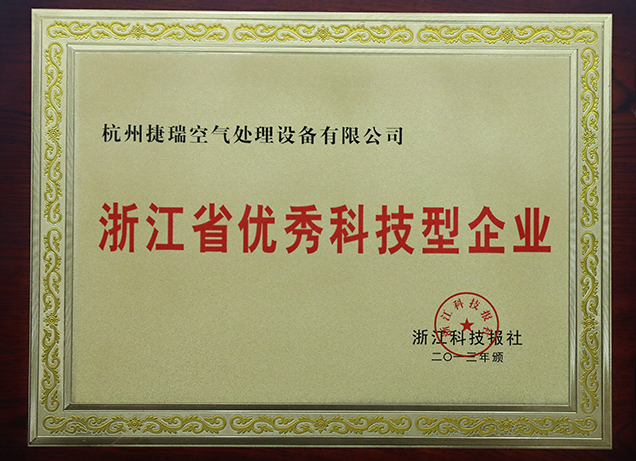
Excellent Science and Technology Enterprise of Zhejiang Province
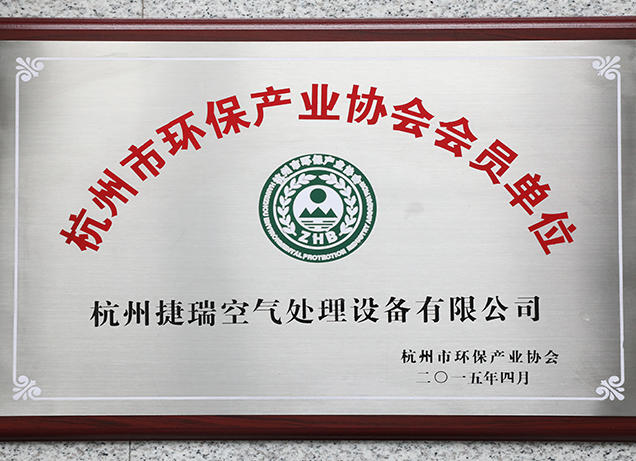
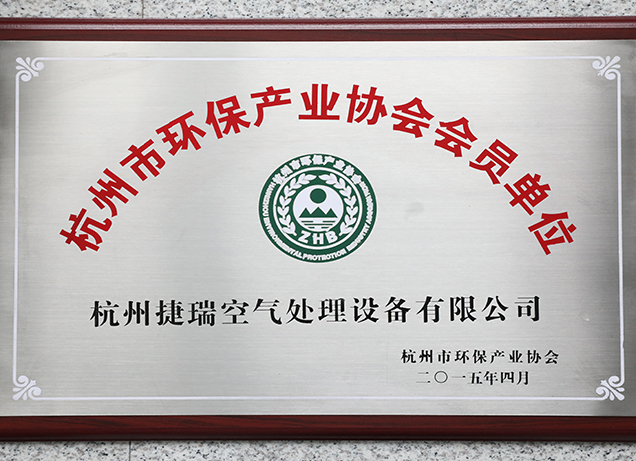
Member of Hangzhou Environmental Protection Industry Association
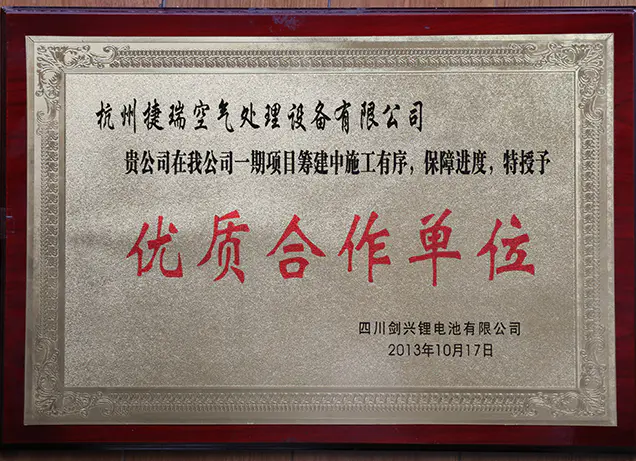
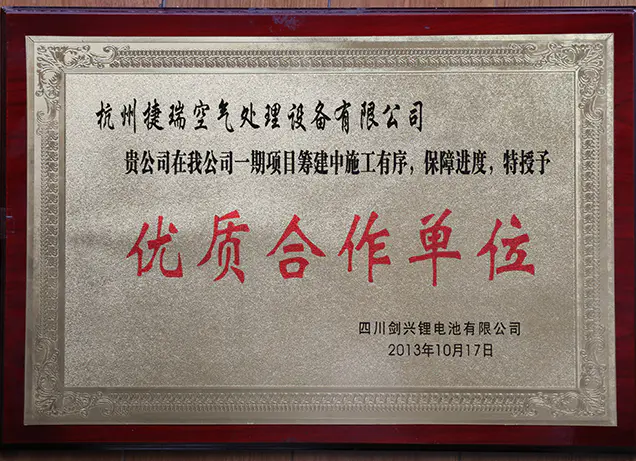
Excellent cooperation unit

ZJU Cooperation
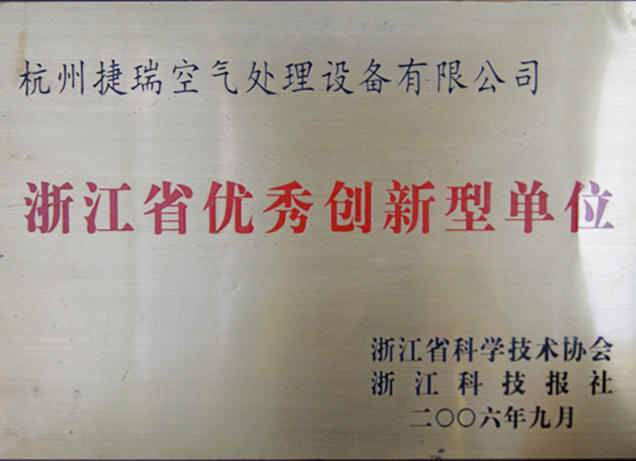
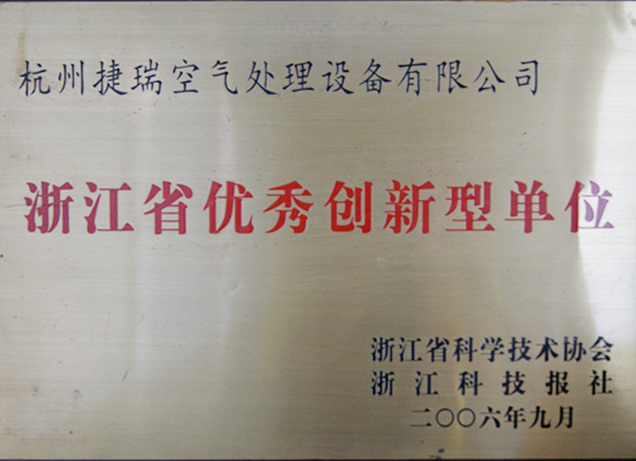
Outstanding Innovation Unit
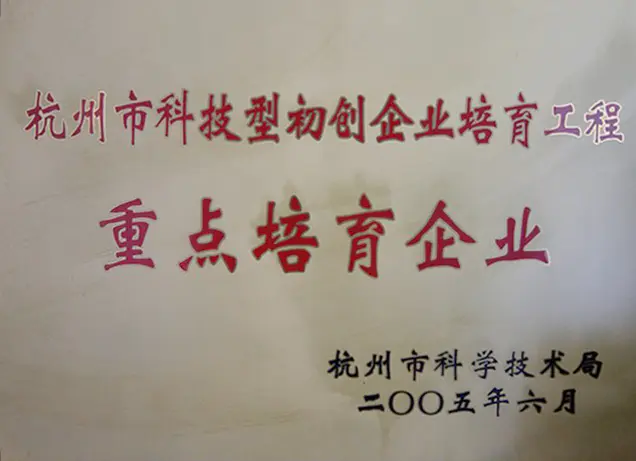
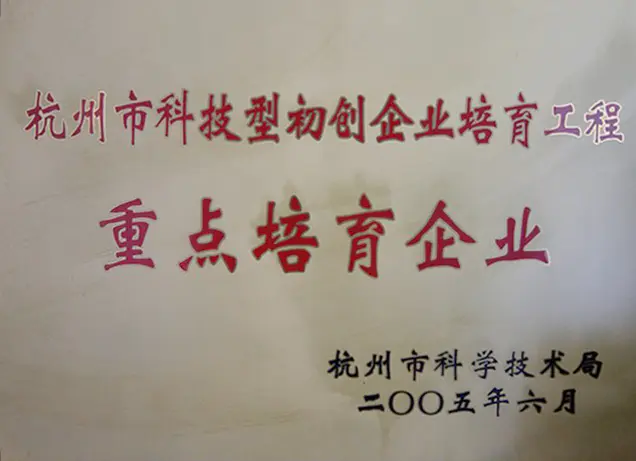
Key Incubatees








-
What effect does thermal conductivity have on lithium battery dry chamber efficiency?
Thermal conductivity significantly affects the efficiency of lithium battery dry rooms. Thermal conductivity refers to the ability of a substance to transfer heat, determining the ...
2024-03-19 -
What does the dry efficiency of lithium battery drying room mainly depend on?
The drying efficiency of lithium battery dry rooms mainly depends on several aspects, which collectively determine the speed, effectiveness, and energy utilization efficiency of th...
2024-03-12 -
How does the lithium battery dry room help the development of the new energy automobile industry?
Lithium battery dry rooms play a crucial role in the development of the new energy vehicle industry. Here are several key aspects in which lithium battery dry rooms contribute to t...
2024-03-05 -
How can the design of the NMP Solvent Recovery System be customized to accommodate changes in process requirements in different industries?
The design of an NMP solvent recovery system can be customized to accommodate changes in process requirements across different industries by considering various factors related to ...
2024-02-26 -
What are the components of the NMP Solvent Recovery System and what roles do they play?
The NMP solvent recovery system comprises several key components, each serving a specific role in the recovery process. These components work together to efficiently remove NMP sol...
2024-02-23
 View All
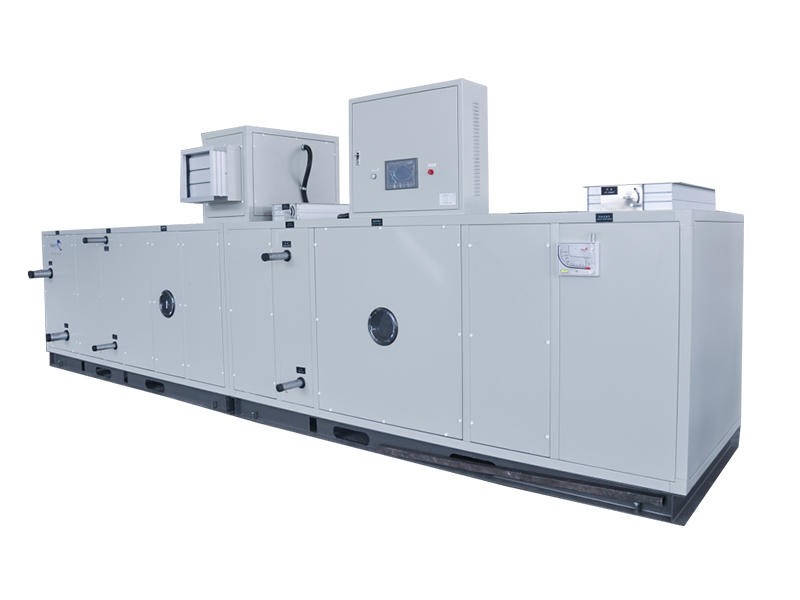
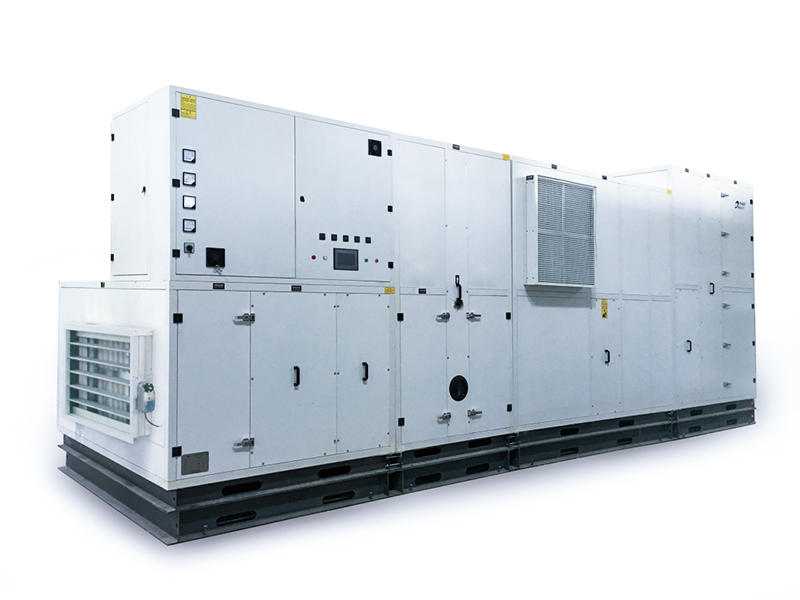
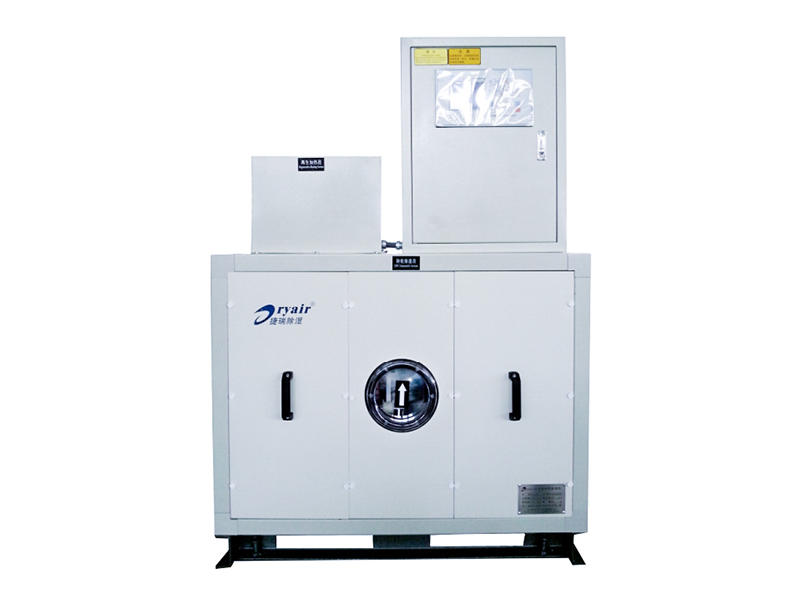
The Application of Tire Rotary Dehumidification Unit
A tire rotary dehumidification unit is a device that removes moisture from tires. The application of this unit is particularly important for tires that are stored for long periods of time, as moisture can cause damage to the tires and reduce their lifespan.
The tire rotary dehumidification unit works by circulating dry air through the tires, which absorbs moisture and removes it from the tires. This process helps to prevent the growth of mold and mildew, which can lead to tire damage and deterioration.
The unit is commonly used in tire manufacturing plants, as well as in warehouses and storage facilities where tires are kept for extended periods of time. It can also be used in tire service shops to help prevent moisture from affecting the tires that are waiting to be mounted on vehicles.
In addition to extending the lifespan of tires, the use of a tire rotary dehumidification unit can also improve the safety of vehicles. Moisture can cause tire blowouts and reduce the grip of the tires on the road, which can increase the risk of accidents. By removing moisture from tires, the unit helps to ensure that tires perform at their best and provide the necessary traction and stability for safe driving.
Overall, the tire rotary dehumidification unit is a valuable tool for tire manufacturers, storage facilities, and service shops, as it helps to protect tires from damage and improve the safety and performance of vehicles.
How to Install Tire Rotary Dehumidification Unit
Installing a Tire Rotary Dehumidification Unit can be a complex process that requires some technical knowledge and expertise. However, the following steps can serve as a general guide:
Choose the installation location: Select a location that is suitable for the unit, taking into consideration factors such as accessibility, power supply, and ventilation. Ensure that the location is also close to the tires that need to be dehumidified.
Prepare the foundation: The unit needs to be installed on a flat and level surface that is capable of supporting the weight of the unit. The foundation must be made of concrete, and the dimensions should match the size of the unit.
Install the unit: Use a forklift or crane to lift the unit onto the prepared foundation. Ensure that the unit is leveled and secured to the foundation using anchor bolts.
Connect the power supply: Follow the manufacturer's instructions to connect the unit to a suitable power supply. Ensure that the voltage and phase of the power supply match the specifications of the unit.
Connect the ducts: Install the inlet and outlet ducts to the unit and connect them to the tire storage area. The ducts should be of the correct size and length to ensure proper airflow.
Start the unit: Once all the connections have been made, switch on the power and start the unit. Adjust the settings to match the requirements of the tire storage area.
Test the unit: Check that the unit is operating correctly by measuring the humidity levels in the tire storage area. Adjust the settings if necessary.
It is important to note that the installation process may vary depending on the specific model of the Tire Rotary Dehumidification Unit. It is always recommended to follow the manufacturer's instructions and seek professional help if needed.
