


 English
 简体中文
简体中文Submit feedback

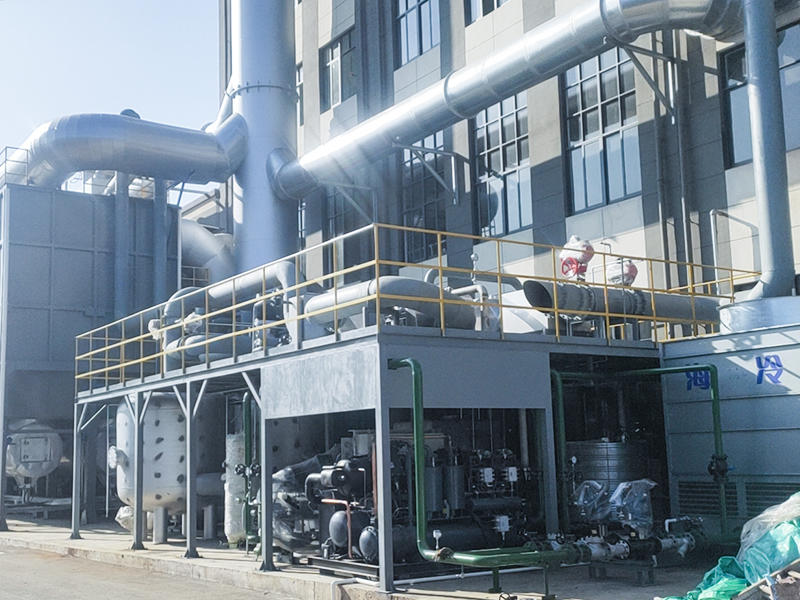
Fuel Depot Waste Gas Treatment Suppliers
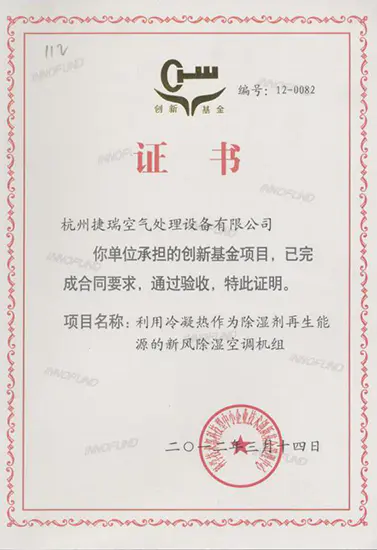
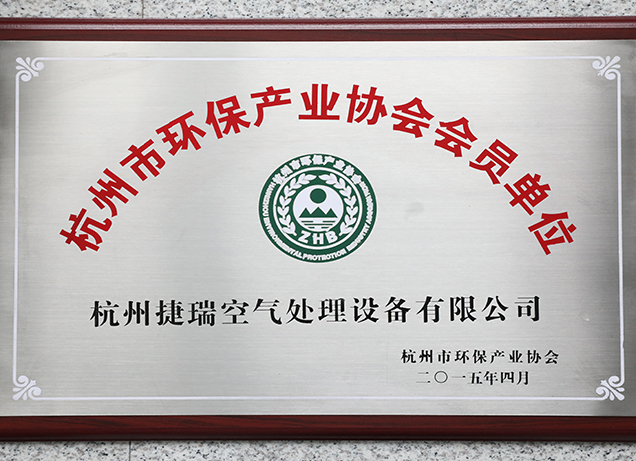
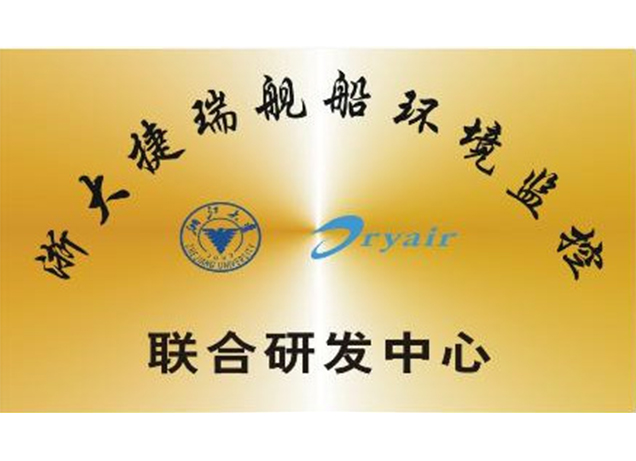
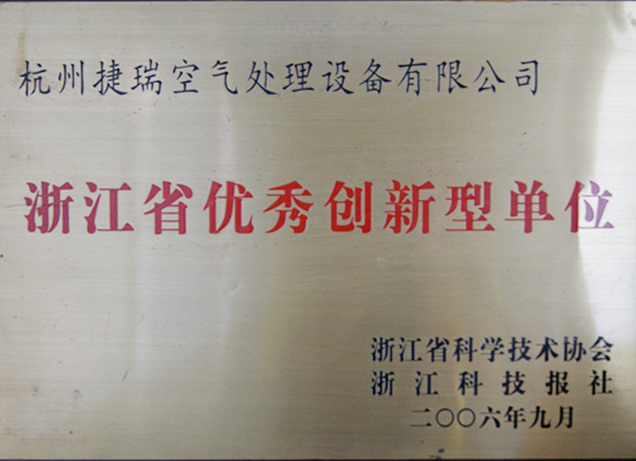
Company Honors

Zhejiang manufacturing certificate

Certificate of Integration of Informatization and Industrialization
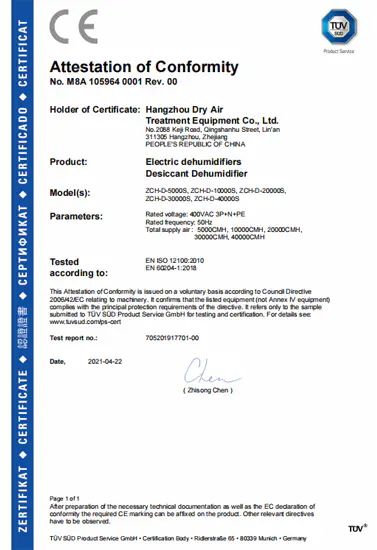
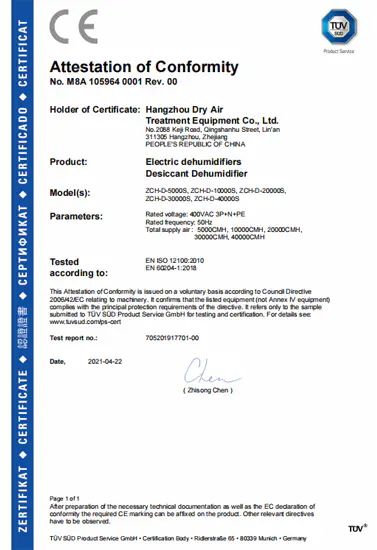
CE Certificate
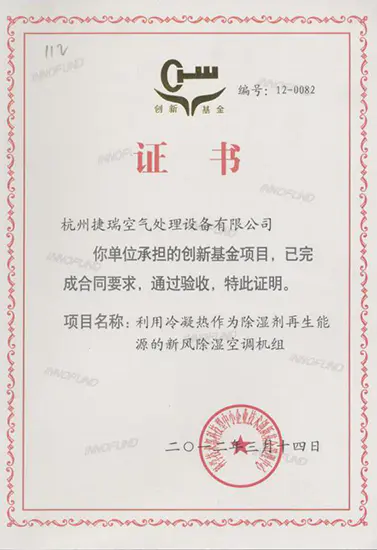
Innovation Fund

Refrigeration and air conditioning industry governing unit

Specialized and Specialized
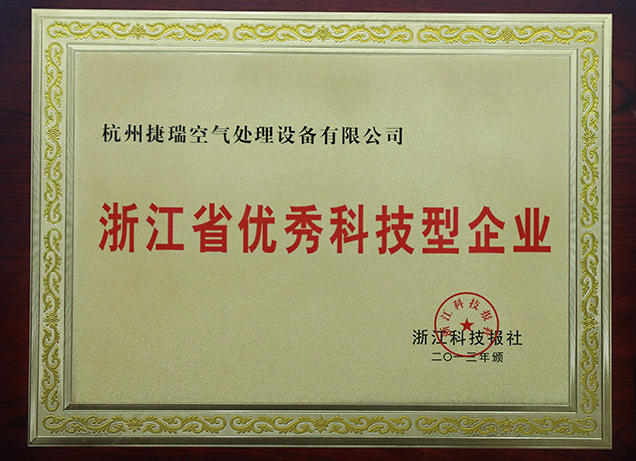
Excellent Science and Technology Enterprise of Zhejiang Province
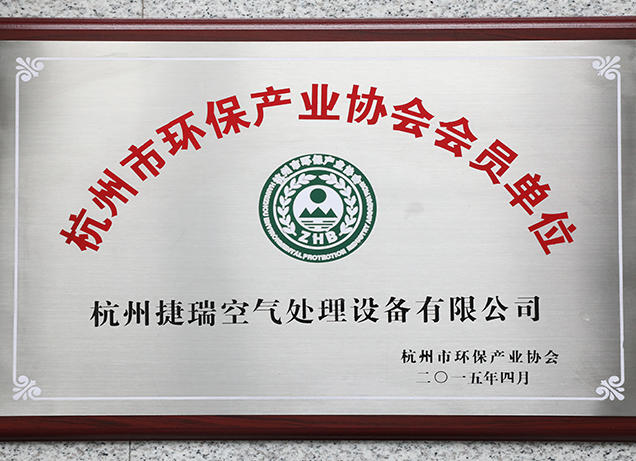
Member of Hangzhou Environmental Protection Industry Association

Excellent cooperation unit
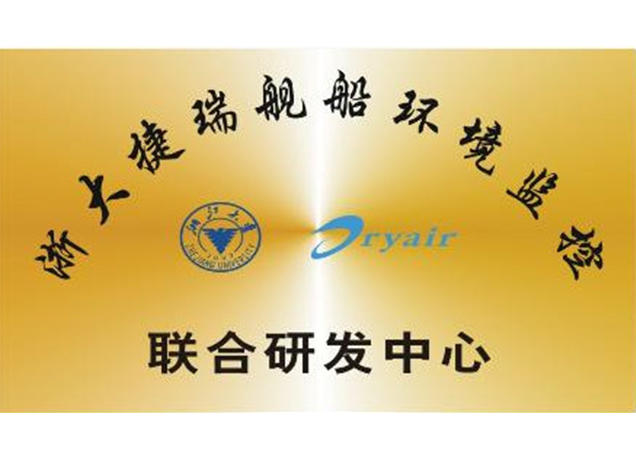
ZJU Cooperation
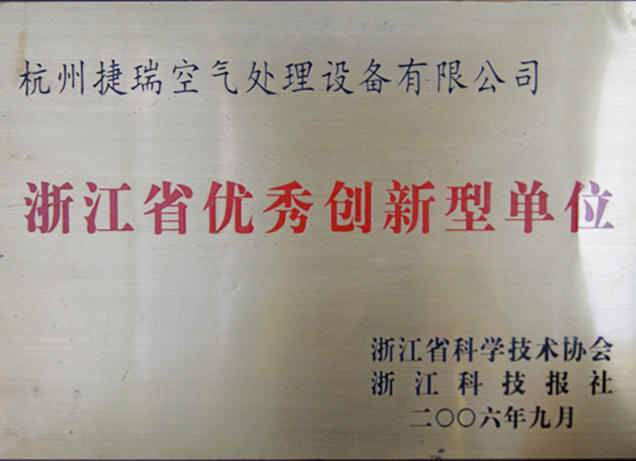
Outstanding Innovation Unit

Key Incubatees










-
What effect does thermal conductivity have on lithium battery dry chamber efficiency?
Thermal conductivity significantly affects the efficiency of lithium battery dry rooms. Thermal conductivity refers to the ability of a substance to transfer heat, determining the ...
2024-03-19 -
What does the dry efficiency of lithium battery drying room mainly depend on?
The drying efficiency of lithium battery dry rooms mainly depends on several aspects, which collectively determine the speed, effectiveness, and energy utilization efficiency of th...
2024-03-12 -
How does the lithium battery dry room help the development of the new energy automobile industry?
Lithium battery dry rooms play a crucial role in the development of the new energy vehicle industry. Here are several key aspects in which lithium battery dry rooms contribute to t...
2024-03-05 -
How can the design of the NMP Solvent Recovery System be customized to accommodate changes in process requirements in different industries?
The design of an NMP solvent recovery system can be customized to accommodate changes in process requirements across different industries by considering various factors related to ...
2024-02-26 -
What are the components of the NMP Solvent Recovery System and what roles do they play?
The NMP solvent recovery system comprises several key components, each serving a specific role in the recovery process. These components work together to efficiently remove NMP sol...
2024-02-23
 View All
What is Fuel depot VOC Organic Waste Gas Treatment?
Fuel depot VOC organic waste gas treatment refers to the process of removing volatile organic compounds (VOCs) from the waste gases generated by fuel storage and handling facilities, such as fuel depots.
VOCs are harmful pollutants that can be emitted into the atmosphere and cause various environmental and health problems. These pollutants can be produced during the storage and handling of fuels, such as gasoline, diesel, and aviation fuels.
The treatment of VOC organic waste gas typically involves using various technologies and processes, such as thermal oxidizers, biofilters, and adsorption systems, to remove the pollutants from the waste gases. These technologies work by either breaking down or adsorbing the VOCs before they are released into the atmosphere.
Proper treatment of VOC organic waste gas is crucial for the safe and sustainable operation of fuel storage and handling facilities, as well as for protecting the environment and public health.
The Use of Fuel depot VOC Organic Waste Gas Treatment
The use of fuel depot VOC organic waste gas treatment is essential for several reasons:
Compliance with Regulations: There are strict regulations in many countries that limit the amount of VOCs that can be emitted into the atmosphere. Fuel storage and handling facilities that fail to comply with these regulations can face fines, penalties, or even shutdowns. Therefore, the use of VOC organic waste gas treatment is crucial for ensuring compliance with these regulations.
Protection of the Environment: VOCs are harmful pollutants that can contribute to air pollution, smog formation, and other environmental problems. The use of VOC organic waste gas treatment helps to reduce the emissions of these pollutants and minimize their impact on the environment.
Protection of Public Health: Exposure to VOCs can have negative effects on human health, including respiratory problems, headaches, nausea, and dizziness. By treating the waste gases generated by fuel storage and handling facilities, VOC emissions can be reduced, thereby reducing the risk of negative health impacts on nearby communities.
Improved Operational Efficiency: The use of VOC organic waste gas treatment can also help to improve the operational efficiency of fuel storage and handling facilities. By minimizing the release of VOCs into the atmosphere, these facilities can reduce their environmental impact and improve their overall sustainability.
In summary, the use of fuel depot VOC organic waste gas treatment is critical for compliance with regulations, protection of the environment and public health, and improved operational efficiency of fuel storage and handling facilities.
